Cooktop Installation: Electric, Gas, and Induction — A Pro's No-BS Guide
Installing a cooktop isn't just dropping it in the hole. Gas lines, electrical circuits, cutout sizing, and anti-tip considerations — here's what your installer knows that the box doesn't say.
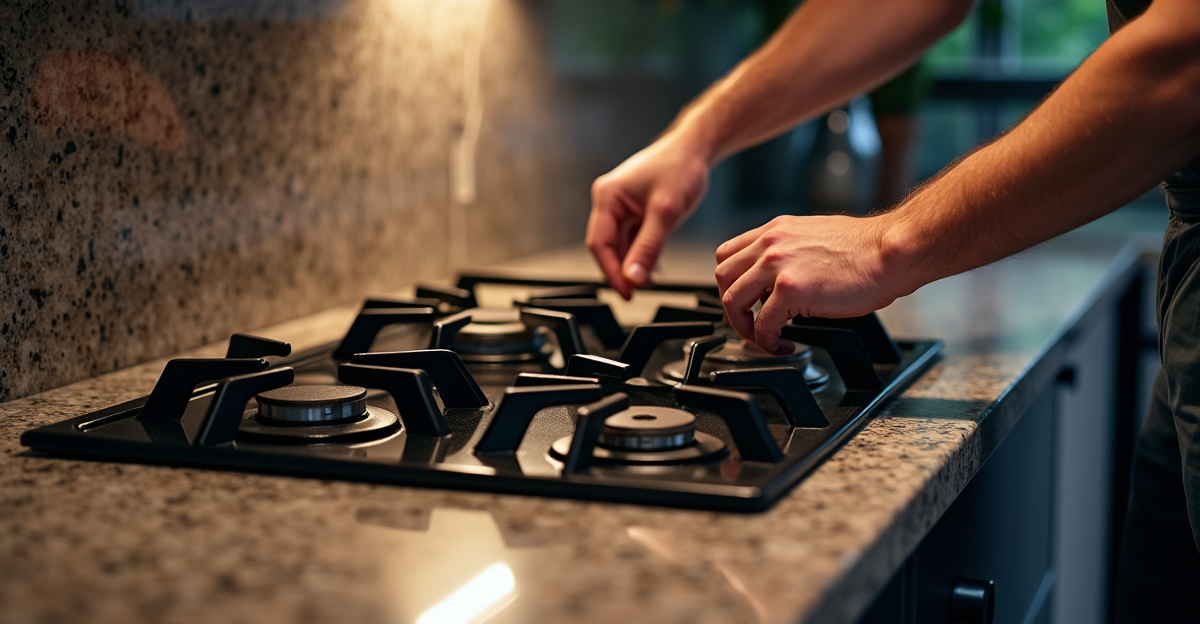
I’ve installed hundreds of cooktops. Gas, electric, induction — drop-in, slide-in, countertop. Every single one of them has its quirks. The box makes it look simple. The YouTube video makes it look easy. Then you get on-site and discover the cutout is three inches too small, the gas line has a quarter-inch fitting where you need three-eighths, or there’s no 240V circuit within reach.
This is the guide I wish every homeowner had before they called me.
Types of Cooktops and What They Actually Need
Before you buy anything, you need to match the cooktop type to what’s actually in your kitchen. Getting this wrong is expensive.
Electric Coil Cooktops
Oldest style, still common in rental properties and older homes. Requires a 240V, 40-50 amp circuit and a matching outlet or hardwire connection. The coils are replaceable. Not much to install — drop in, connect to power, done. But if your kitchen only has 120V at that location, stop.
Smooth-Top Electric (Glass/Ceramic)
Same electrical requirement as coil — 240V, 40-50 amps. The difference is the glass surface. These scratch easily during installation. I always cover the countertop and work slowly. The cutout needs to be precise because the trim ring on a glass cooktop doesn’t hide mistakes.
Gas Cooktops
This is where most homeowners get in trouble. You need:
- An existing gas line with a shutoff valve at or near the cooktop location
- A connector (usually 3/8” flex line)
- 120V outlet nearby for ignition (yes, gas cooktops still need electricity)
- Proper clearance around the burners per the install manual
I don’t modify gas lines. I connect from the existing shutoff to the appliance using a new certified flex connector. If there’s no shutoff valve in the right place, you need a licensed plumber before I show up.
Induction Cooktops
Induction is the best technology for cooktops right now — faster than gas, more efficient than electric, easier to clean. But it needs the same 240V/40-50A circuit as electric, and your cookware needs to be magnetic (cast iron, magnetic stainless). If your pots slide off a magnet, they won’t work on induction.
The Cutout: Most Common Install Problem
Cooktop cutouts are sized precisely. The old cooktop was X by Y inches. The new one is not the same size. I see this constantly — customer orders a new cooktop, the cutout from the old one is 2 inches too narrow.
Before you buy, measure your existing cutout carefully. Then compare to the new cooktop’s minimum cutout dimensions in the spec sheet. If the new cooktop is bigger, the countertop needs to be cut — which is not part of a standard cooktop install. That’s a countertop fabricator job.
If the new cooktop is smaller than the existing cutout, I can usually fit a trim kit or work with the customer on options.
What’s Included in a Standard Cooktop Installation
What I do:
- Remove the old cooktop (if applicable)
- Verify existing electrical or gas connections meet spec
- Set new cooktop into cutout
- Connect gas flex line (if gas, from shutoff to appliance) using a new certified connector
- Connect electrical (hardwire or outlet connection)
- Secure mounting clips per manufacturer spec
- Test ignition and all burners
- Check for gas leaks with soapy water (and/or detector)
- Cleanup
What’s NOT included (and needs to be handled before my visit):
- Installing a new electrical circuit or upgrading the breaker
- Moving or adding gas lines or shutoff valves
- Countertop cutout modification
- Cabinet modification for clearance
Gas Cooktop Safety: Don’t Skip These
Gas appliance installations have non-negotiable safety requirements:
-
Always use a new flex connector. Never reuse the old one, even if it looks fine. Flex connectors are single-use by code. I carry them and include this in the base install.
-
Leak test every connection. I use soapy water on every joint after connecting. If you see bubbles, something’s not right.
-
Verify the shutoff works. Before connecting anything, I test the shutoff valve. Old valves can fail — better to know now than after the cooktop is in.
-
Clearance from combustibles. The install manual specifies minimum distances from cabinets, walls, and overhead surfaces. These aren’t suggestions.
What to Have Ready When Your Installer Arrives
- Cooktop fully unboxed and accessible
- Old cooktop removed if you’re doing that yourself (or leave it — I can handle it)
- Gas shutoff valve accessible and working
- Electrical circuit confirmed off (I’ll verify with a tester)
- Countertop cleared of items for 3 feet around the install area
How Long Does Cooktop Installation Take?
For a standard electric or induction cooktop replacing an existing model in the same location: 1 to 1.5 hours.
Gas cooktops, especially first-time installs with extra leak testing: 1.5 to 2 hours.
If the countertop cutout needs modification or there are supply/electrical issues: longer, and you’ll hear about it upfront before anything starts.
Ready to book your cooktop installation? Schedule online or call us at (478) 280-4099. We serve Milledgeville, Macon, and Middle Georgia.
Need a Standard Cooktop Install?
Owner-operated • Supported Middle Georgia service • 90-day workmanship warranty
Pro Appliance Installs handles supported cooktop installation in Macon, Warner Robins, and Milledgeville, GA. Standard installs are flat-rate; any install-side extras are quoted before additional work continues. Upstream plumbing, gas-line, or electrical work should be handled by the appropriate licensed pro.